Henan Tianzhong Vibration Equipment Co.Ltd
News Details
Top Reasons Why a Vacuum Feeder Is Not Suctioning Material
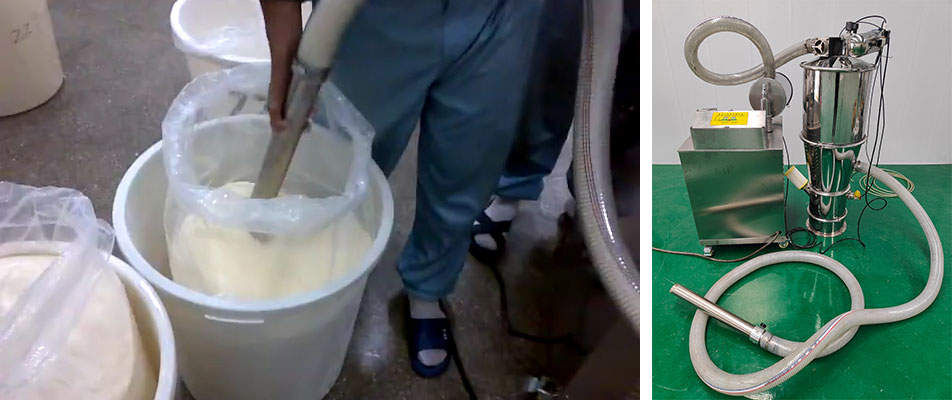
A vacuum feeder (also known as a vacuum conveyor or vacuum loader) is widely used in industries such as plastics, food, pharmaceuticals, and chemicals for efficient material conveying. When the vacuum feeder stops sucking material, production efficiency drops and downtime increases. Understanding the root causes and solutions helps keep your equipment operating smoothly.
Below are the most common reasons why a vacuum feeder fails to pick up material — and how to fix them quickly.
1. Insufficient Vacuum Pressure
When the vacuum pressure is too low, the system cannot generate enough suction.
Possible Causes:
– Vacuum pump malfunction
– Air leaks in piping
– Blocked filters
– Worn pump components
Solutions:
– Inspect and clean the vacuum pump
– Check all seals and connections for air leakage
– Replace or clean vacuum filters
– Maintain pump oil levels and replace worn parts
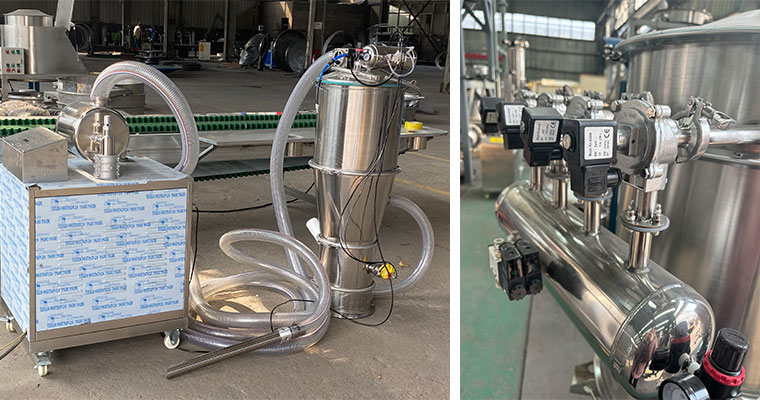
2. Blocked Material Suction Nozzle or Hose
Material buildup or foreign objects may block the suction path.
Symptoms:
– Reduced conveying capacity
– No material flow despite pump running
Solutions:
– Clean the suction nozzle and hose
– Remove accumulated dust or pellets
– Install a screen to prevent large particles from entering
3. Poor Material Flow in the Hopper
If material cannot freely flow to the suction point, the vacuum feeder cannot pick it up.
Causes:
– Material bridging
– Moisture causing clumping
– Hopper angle too small
Solutions:
– Install a vibrator or agitator
– Reduce moisture content or use a dehumidifier
– Adjust hopper design for better flow
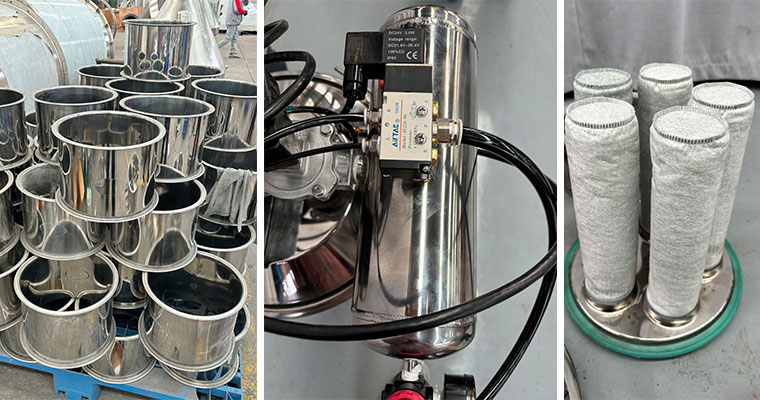
4. Filter Clogging or Damage
Filters protect the pump but also restrict air flow when clogged.
Signs:
– Frequent shutdown
– Sudden loss of suction
Solutions:
– Clean or replace filter
– Use high-efficiency filter for fine powder
– Consider automatic filter cleaning
5. Incorrect System Settings
Improper parameters can lead to poor conveying performance.
Common Issues:
– Suction time too short
– Discharge time too long
– Airflow imbalance
Solutions:
– Recalibrate timing parameters
– Adjust airflow valves
– Follow manufacturer recommendations
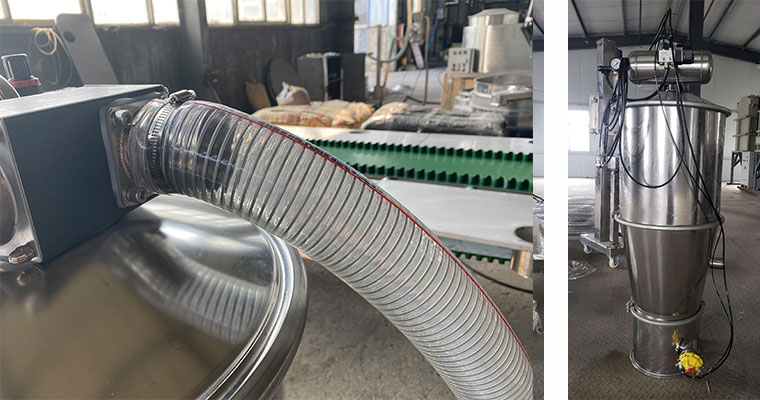
6. Excessive Conveying Distance or Material Mismatch
Overlong pipelines or difficult materials can weaken suction.
Fixes:
– Shorten pipeline
– Reduce bends
– Use larger pipe diameter
– Upgrade vacuum pump for dense materials
Choosing the correct screen type directly impacts your operational efficiency and product quality. Understanding your material characteristics—including size, moisture content, and flowability—is essential for selecting the perfect conveying or screening solution.
Contact us today to customize your unique vibrating screen or vacuum feeding solution!
Related Posts
2026-01-30
Why use vacuum feeders for powder transportation?
In modern industrial production, especially in sectors like pharmaceuticals, food processing, and ch...
2026-01-14
How Does a Vacuum Conveyor Work?
Vacuum conveyors, also known as vacuum conveying systems or vacuum powder transfer systems, are esse...
Give us a email or Simply Complete the Form
Address:Xinxiang City, Henan Province, ChinaEmail:admin@hntzs.comWhatsApp:+86 18937322992Phone:+86 18937322992