Henan Tianzhong Vibration Equipment Co.Ltd
News Details
The Ultimate Guide to Efficient and Safe Bulk Bag Unloading
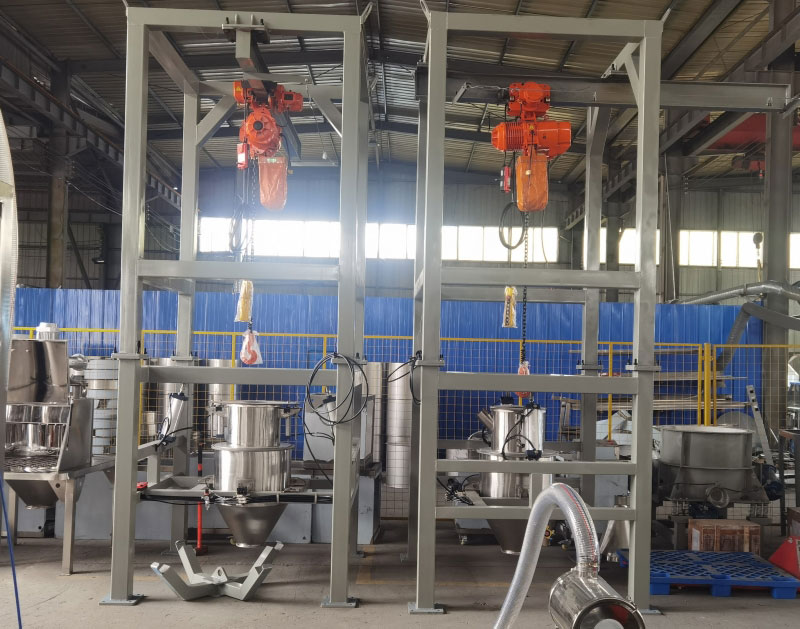
In industrial material handling, precision and safety are paramount. One of the most persistent challenges in powder and bulk processing is manual bulk bag unloading—a process plagued by dust exposure, physical strain, product contamination, and inefficiency. Traditional manual methods often lead to reduced throughput, workplace injuries, and significant material waste.
Enter bulk bag unloaders—a transformative engineered solution that significantly enhances the safety, efficiency, and reliability of material handling in demanding industrial processes.
How Bulk Bag Unloaders Work
A bulk bag unloader (also known as an FIBC unloading station) is a system designed to securely hold, position, and controllably discharge materials from bulk bags. The system typically consists of a rigid frame, a hoist or lifting mechanism, a dedicated discharge hopper with a flow control device, and integrated dust containment features.
The process begins by lifting the full bag (often 500-2000 kg) into position using an electric hoist or lift table, eliminating manual heavy lifting. The bag spout is connected to a sealed inlet, and a controlled environment is established. Discharge is then initiated and managed through valves or feeders, often aided by optional flow promotion devices to ensure complete emptying.
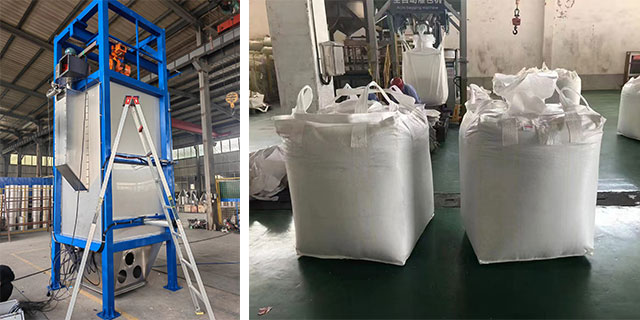
Key Benefits for Industrial Material Handling
Elimination of Dust Exposure: The core safety advantage. Bulk bag unloaders are fully enclosed systems that can be connected to plant dust collection. This contains hazardous and nuisance dust, protecting worker respiratory health and ensuring a cleaner, compliant plant environment.
Prevention of Musculoskeletal Injuries: By mechanizing the lifting and positioning of heavy bags, unloaders remove the primary cause of strains, sprains, and back injuries associated with manual handling, significantly improving workplace safety.
Maximized Yield and Reduced Waste: Engineered for complete discharge, these systems employ features like bag massagers, vibrating decks, and flexible spouts to achieve residue rates often below 1%. This increases material yield and reduces costly product loss.
Significant Increase in Throughput and Consistency: Unloading becomes a faster, controlled, and repeatable process. Automated systems enable direct feeding to downstream equipment like mixers or packers, creating a seamless, efficient, and consistent material flow.
Reduced Downtime and Labor Costs: The efficient, contained process minimizes cleanup time and the labor required for unloading. This allows personnel to be allocated to more value-added tasks, optimizing operational costs.
Enhanced Product Integrity and Process Control: The sealed environment prevents external contamination of sensitive materials. Precise discharge control allows for better batching and integration with automated process lines, ensuring product quality and consistency.
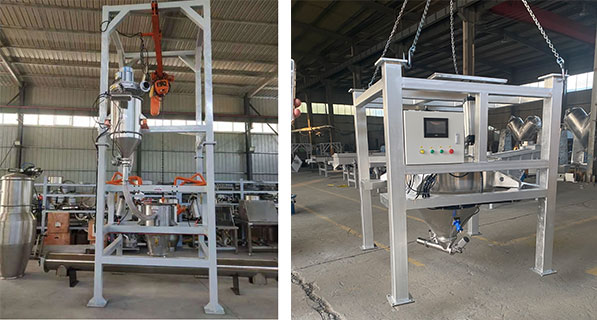
Application Across Industries
Bulk bag unloaders are versatile solutions critical for handling powders and granules where safety, cleanliness, and efficiency are priorities. They are ideal for:
Food and Pharmaceutical: Handling sensitive ingredients like flour, sugar, starches, and APIs in hygienic, dust-free conditions.
Chemicals and Plastics: Unloading pigments, resins, and compound additives while controlling dust and ensuring operator safety.
Minerals and Building Materials: Efficiently handling dense, abrasive, or dusty materials like silica sand, cement, and minerals.
Agriculture and Feed: Transferring grains, powders, and other bulk ingredients safely and cleanly.
System Selection and Considerations
Modern bulk bag unloaders are available in various configurations (frame, trolley, turntable) to suit different plant layouts. Key selection factors include:
Material Characteristics: Flowability, abrasiveness, and hygroscopic nature dictate the need for features like vibrators, fluidizers, or specific liner materials.
Capacity and Integration: Matching the system size to bag weights and ensuring compatibility with downstream receiving equipment (screw conveyors, mixers, etc.).
Industry-Specific Requirements: Selecting appropriate designs for food-grade (sanitary), pharmaceutical (cGMP), or explosive atmosphere (ATEX) applications.
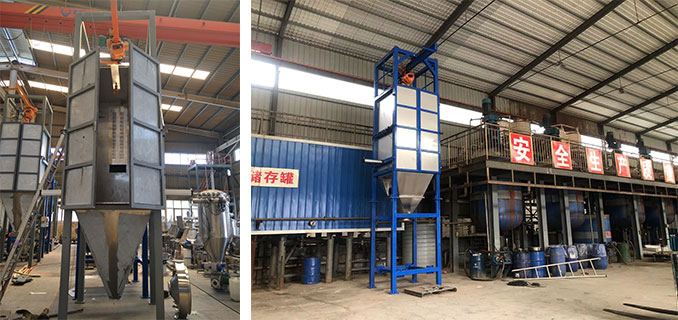
Conclusion
The implementation of a bulk bag unloader represents a strategic upgrade for any operation handling bulk bags. It directly addresses the critical challenges of worker safety, operational efficiency, and material integrity. By transforming a hazardous, wasteful, and labor-intensive task into a safe, clean, and streamlined process, this technology not only protects personnel and product but also delivers a clear return on investment through increased productivity and reduced waste. Investing in a bulk bag unloading system is an investment in a safer, more reliable, and more profitable material handling operation.
Related Posts
2026-01-30
Why use vacuum feeders for powder transportation?
In modern industrial production, especially in sectors like pharmaceuticals, food processing, and ch...
2026-01-14
How Does a Vacuum Conveyor Work?
Vacuum conveyors, also known as vacuum conveying systems or vacuum powder transfer systems, are esse...
Give us a email or Simply Complete the Form
Address:Xinxiang City, Henan Province, ChinaEmail:admin@hntzs.comWhatsApp:+86 18937322992Phone:+86 18937322992